Report on
Menstrual Hygiene Day Celebrations
May 28th, 2025
Submitted to
UNICHARM INDIA PVT LTD.
Prepared and Submitted by
Jal Jeevan & Women Empowerment Society
Kamareddy, Telangana, India
Introduction
JJWES is a Non-Government Organization (NGO) established with likeminded people who were mainly from the social sector, aiming at the development of the target population for their self-esteem and dignity of life. The organization believes in building the capacities of the people with which they start analyzing their social, economic, political and cultural situations and develop strategies to encounter the poverty and oppression.
It started its community development activities in Kamareddy, Nizamabad district working among rural and urban poor for self-sustain through empowerment education process. The Organization initiated its activities by conducting health camps, literacy programs, and sensitization on child rights, legal awareness camps, family counseling center and environment awareness programme, plantation of trees and promotion of kitchen garden, forming and strengthen self-help Groups SHGs and started understanding the issues of people.
JJWES is established for empowering women in the rural society and over a period of time it has gained experience and exposure and now it needs to concentrate on various facets of social and economic development in the society. It is specialized in providing services to social development, health care, economic development of women and children, addressing social issues in the society, working for the appropriate mindset of the targeted people and then frame their ambitions for participatory development.
Menstrual disorders refer to irregularities or abnormalities in a woman's menstrual cycle, including heavy bleeding, missed periods, painful cramps, or unusual cycle lengths. These issues can be caused by hormonal imbalances, medical conditions, lifestyle factors, or reproductive health disorders.
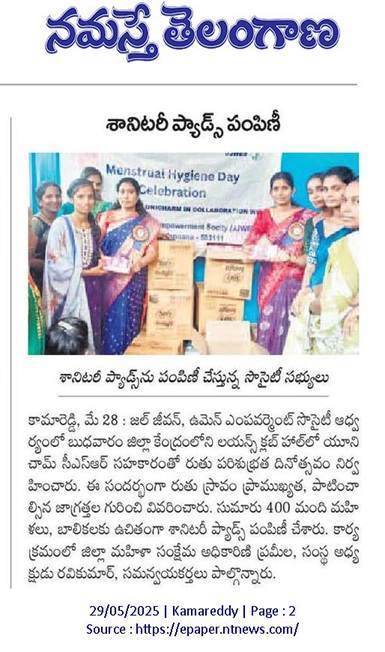
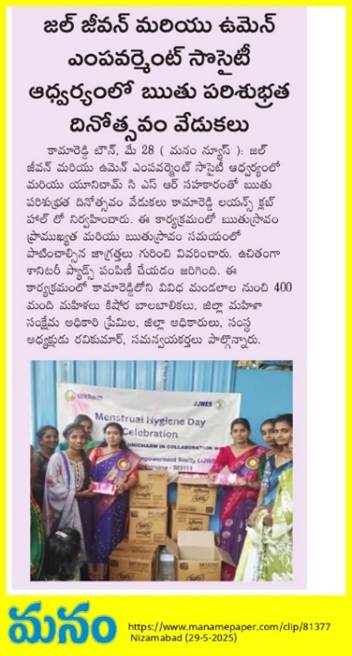
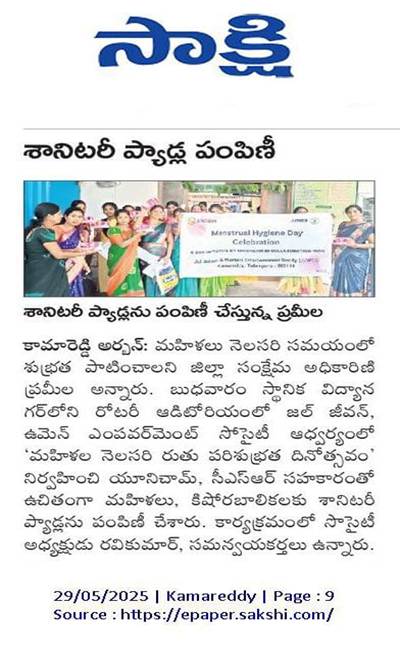
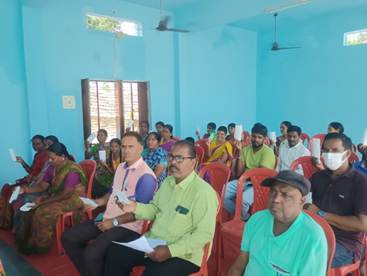
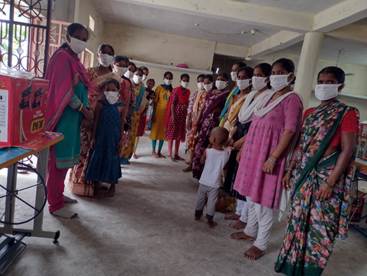
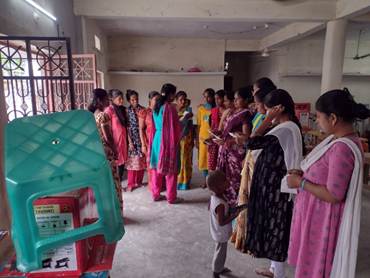
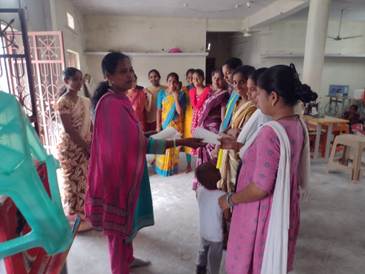
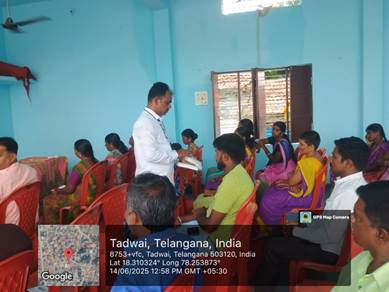
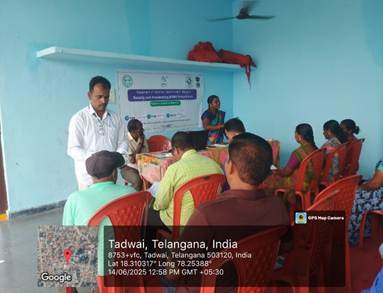
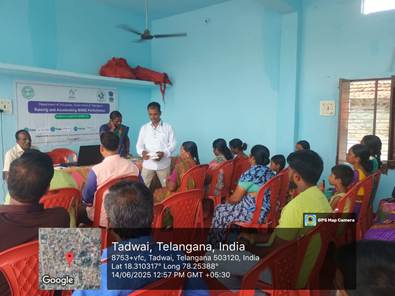
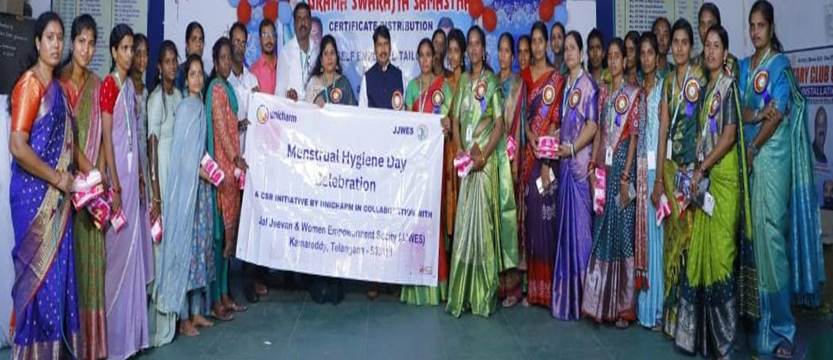
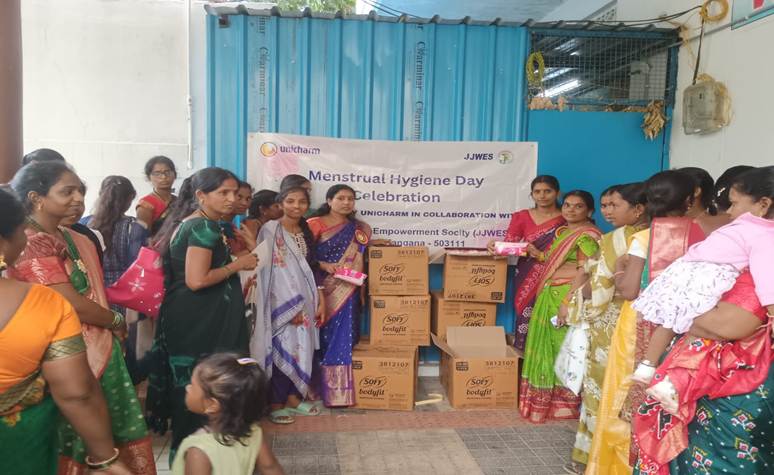
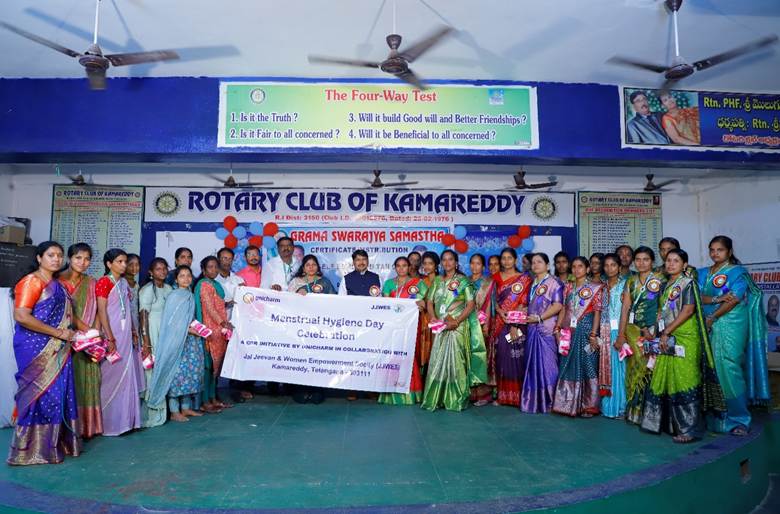
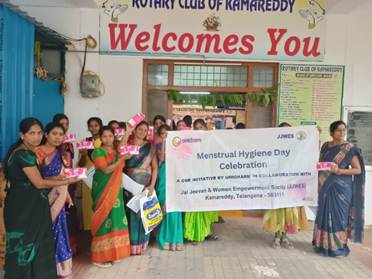
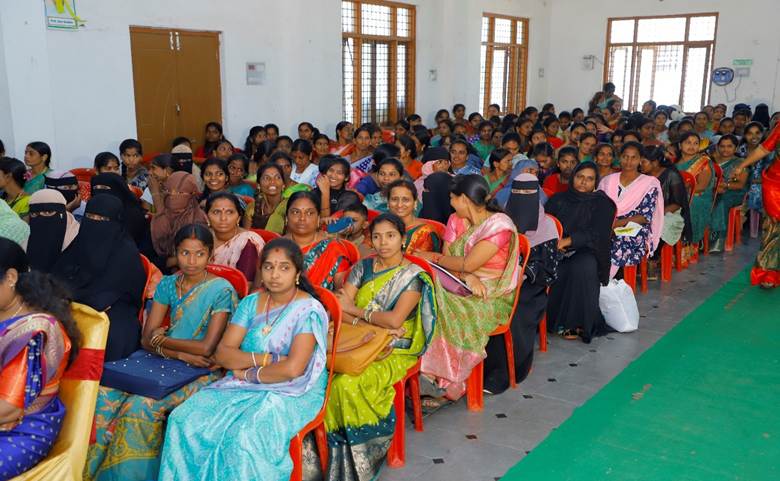
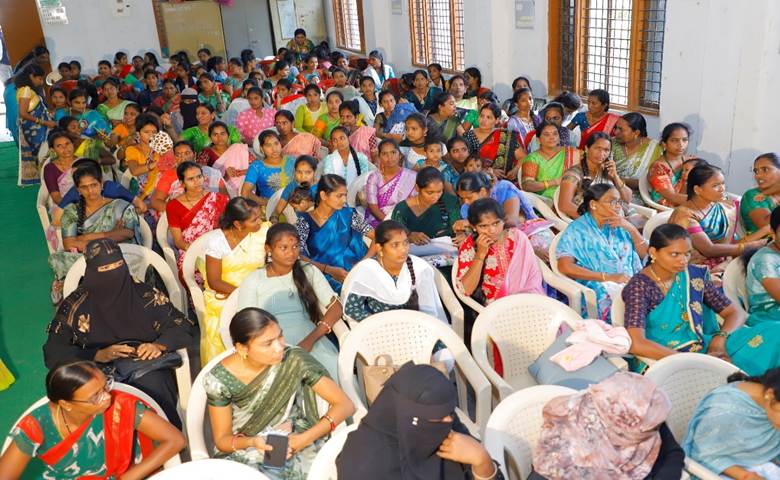
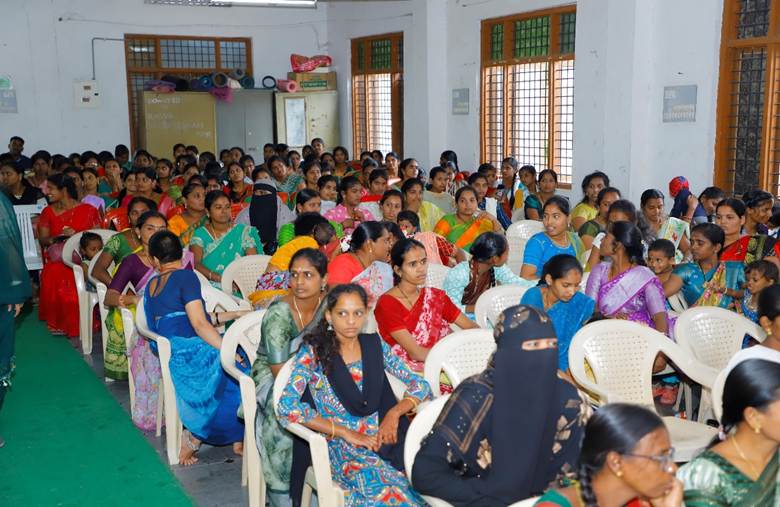
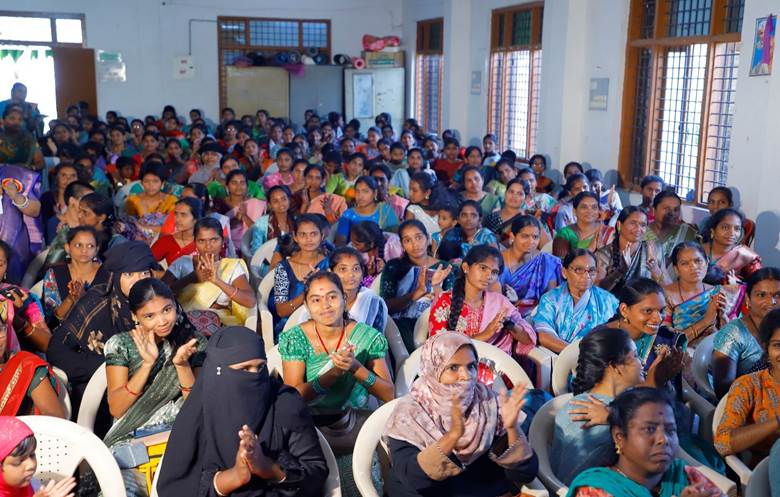
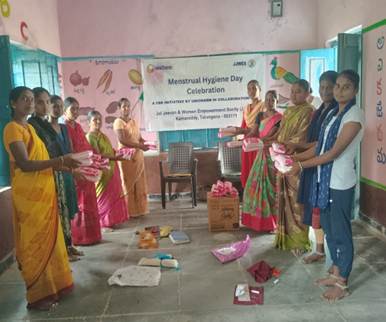
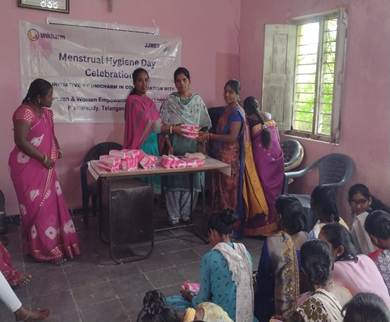
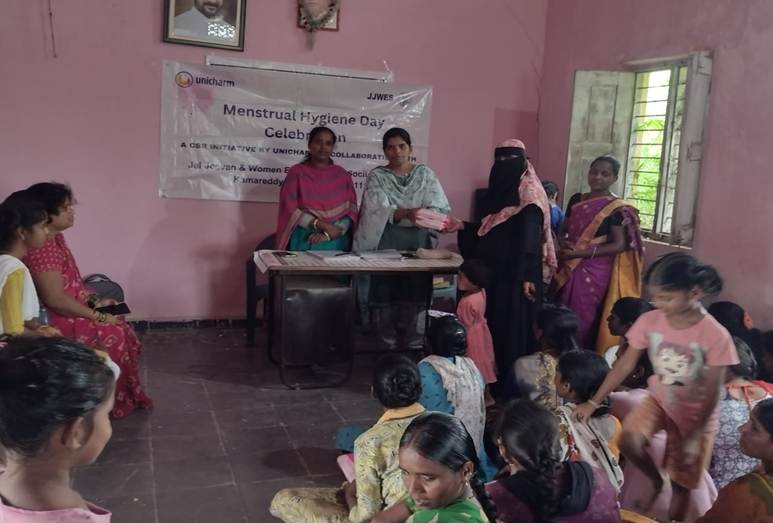
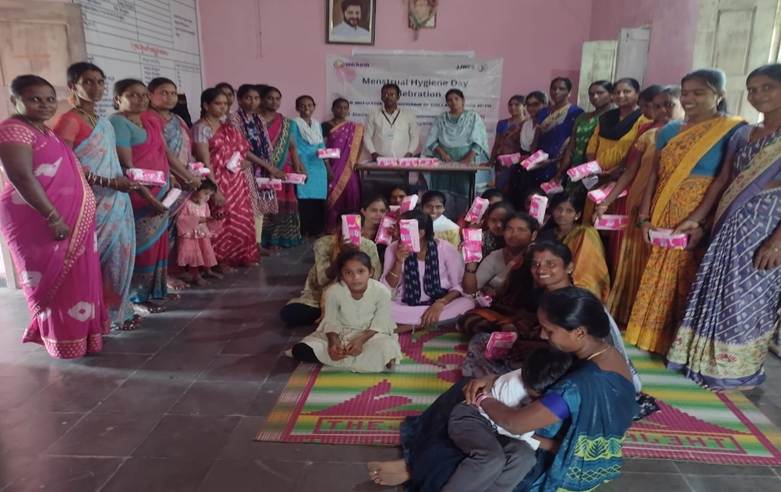
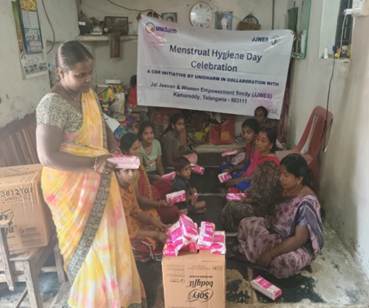
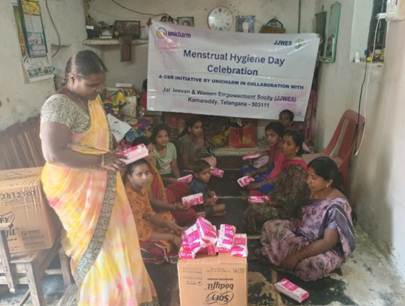
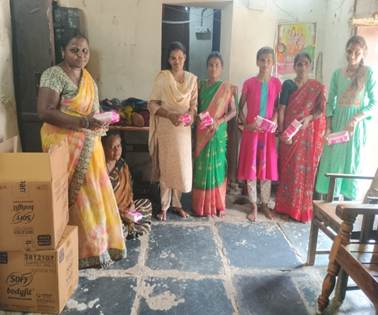
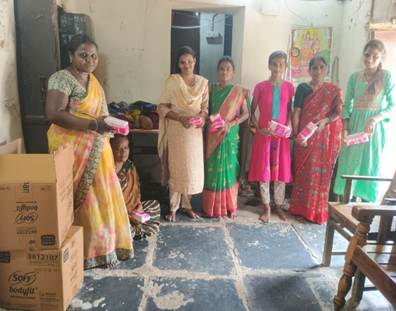
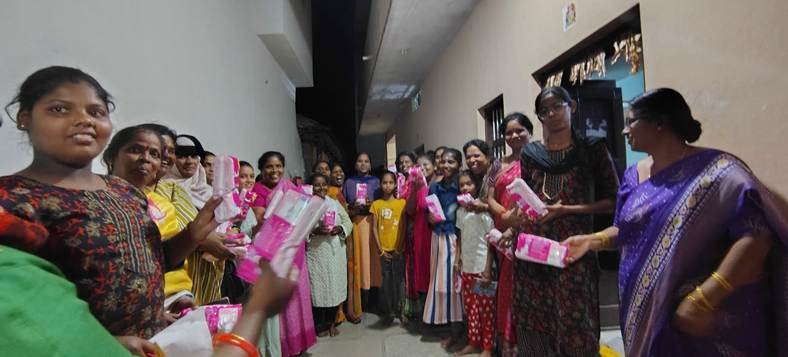
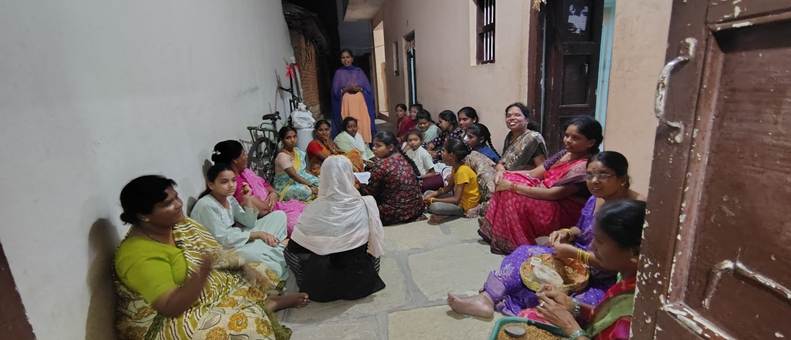
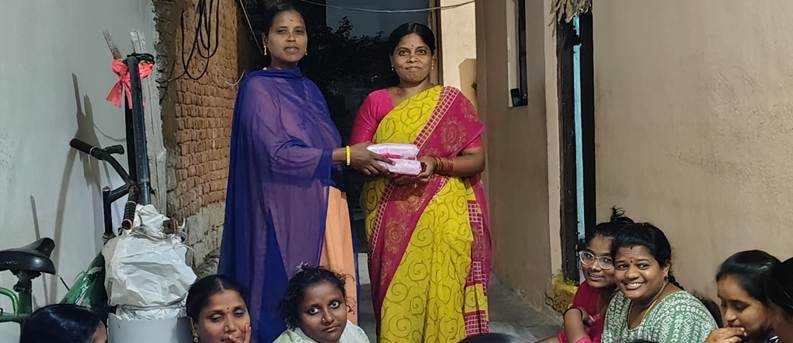
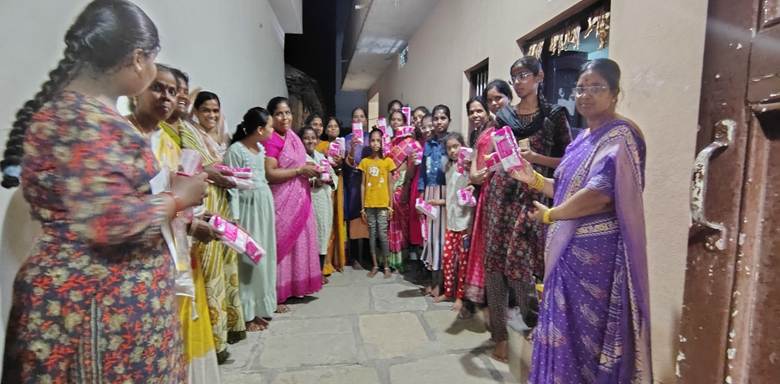
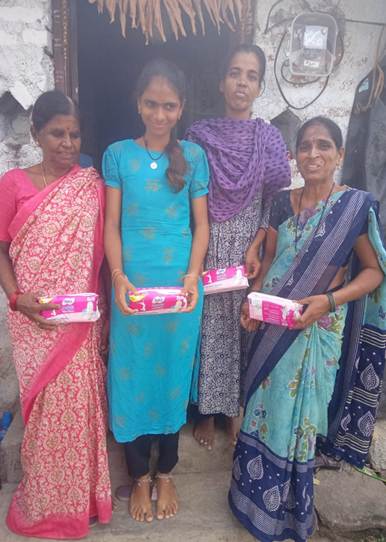
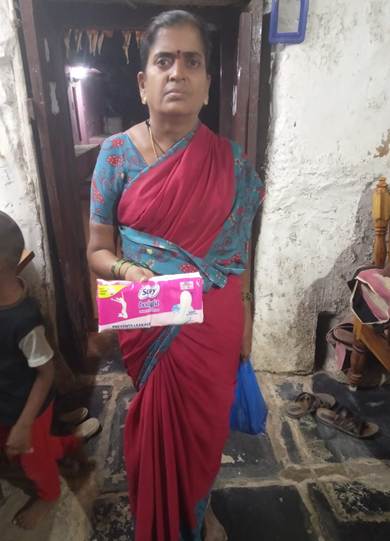
In above context, a CSR initiative by Unicharm in collaboration with JJWES organized the awareness campaigns with different stakeholders and distributed the sanitary napkins in Kamareddy district of Telangana.
Hygiene Practices for Healthy Periods
Benefits of Using Sanitary Pads
Proper Disposal of Sanitary Pads
Step-by-step disposal process:
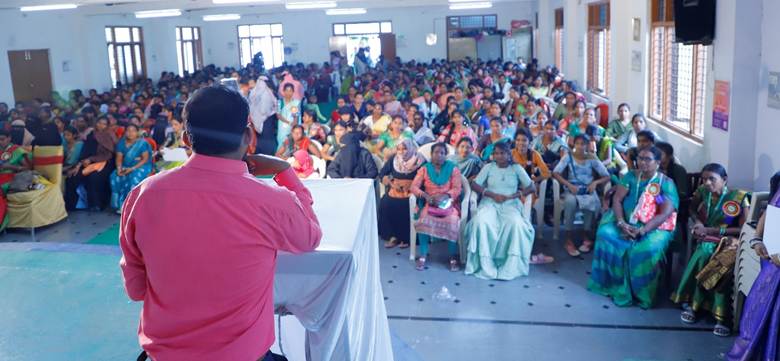
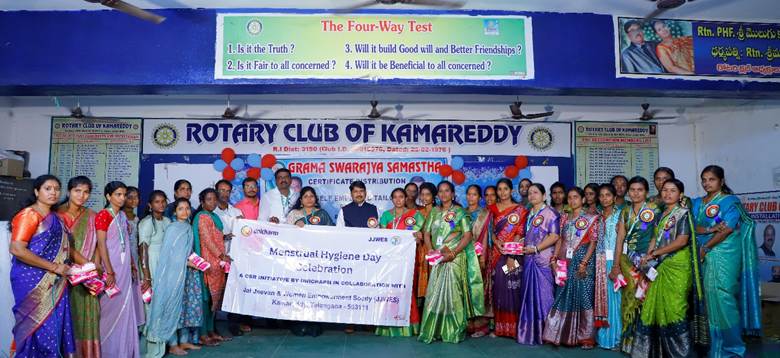
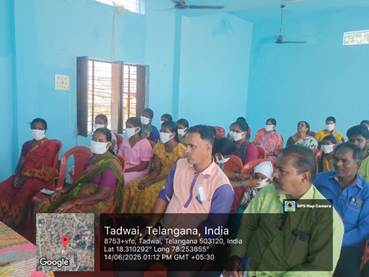
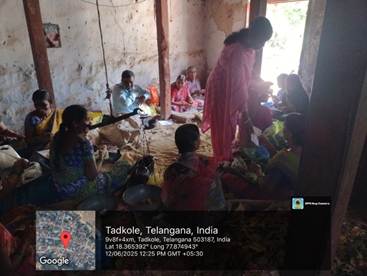
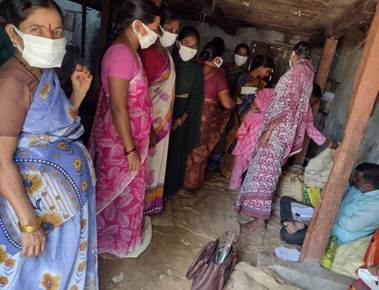
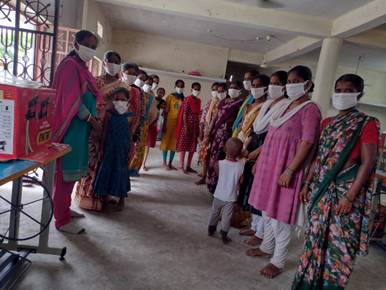
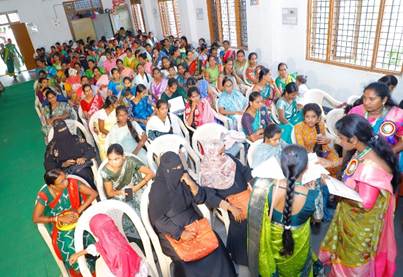
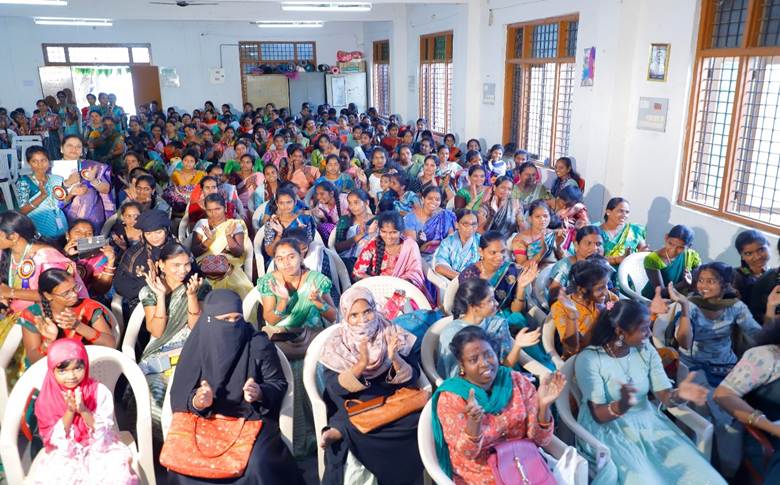
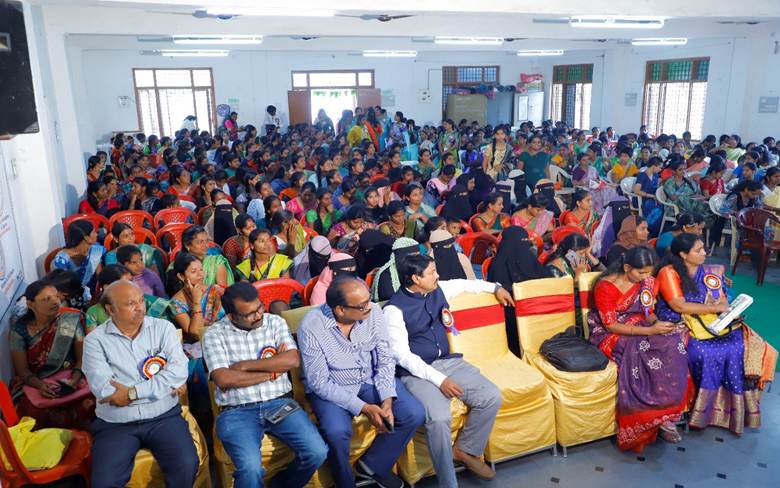
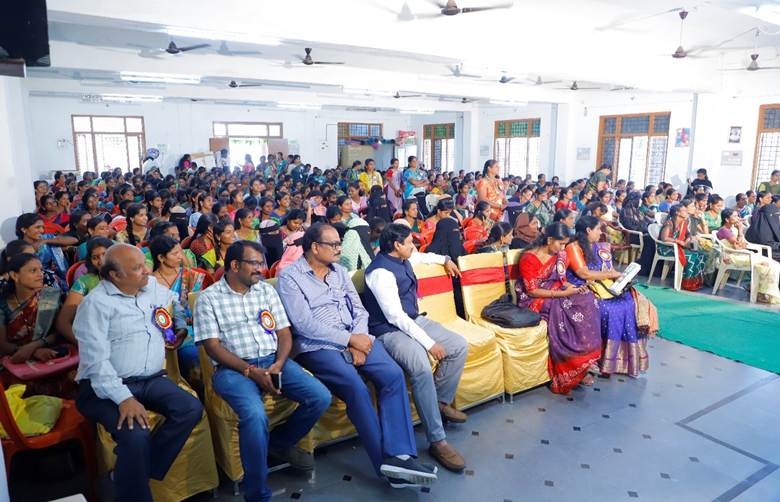
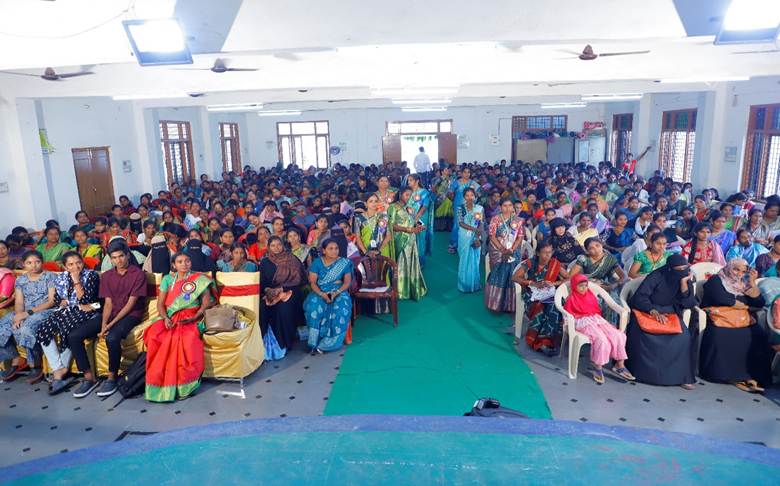
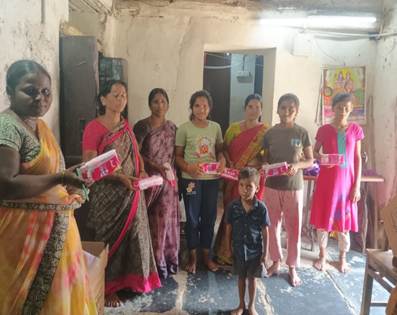
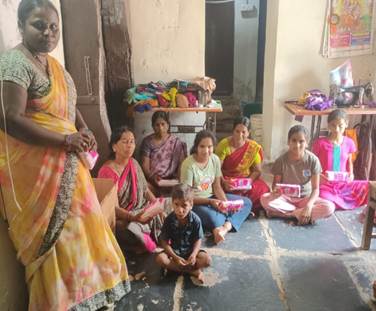
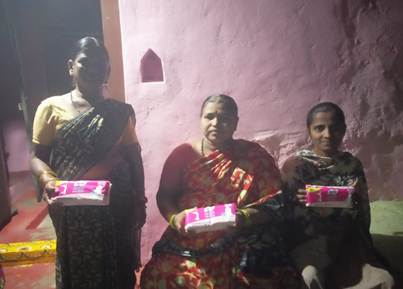
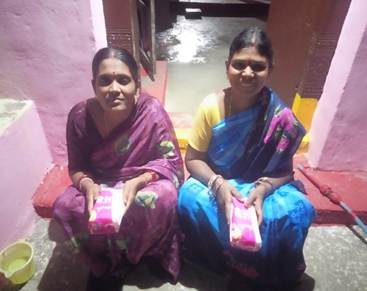
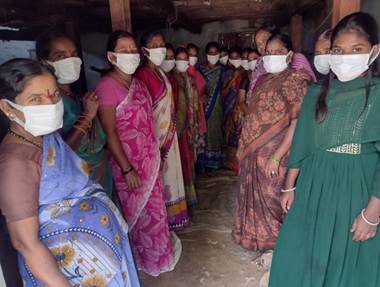
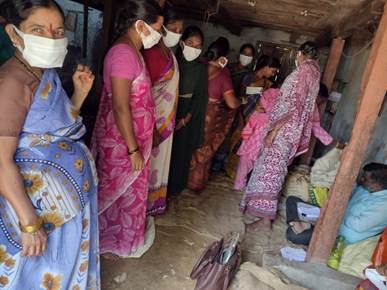
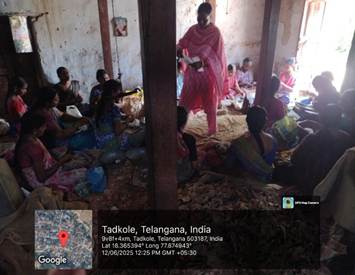
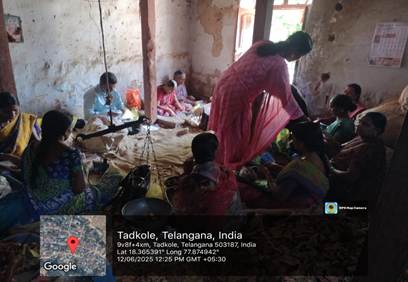
Created awareness to adolescent girls and women on sanitary pads usage and its impacts to about 6,500 participants through various platforms and motivated them to use sanitary pads. Distributed 4,800 sanitary pads across all mandals in Kamareddy district with the support of Unicharm foundation. Also distributed surgical masks for the prevention of various viral diseases.
The Women and Child Welfare Department and District Rural Development Agency departments were involved and appreciated the distribution of sanitary pads for poor women and girls.
District-wise Distribution Summary
| S.No | Name of the Mandal | No. of Participants | No. of Sanitary Pads Distributed |
|---|---|---|---|
| 1 | Kamareddy | 1,970 | 1,440 |
| 2 | Rajampet | 225 | 144 |
| 3 | Machareddy | 220 | 96 |
| 4 | Bhiknoor | 265 | 192 |
| 5 | Ramareddy | 230 | 192 |
| 6 | Palvancha | 240 | 144 |
| 7 | Domakonda | 250 | 144 |
| 8 | Bibbipet | 200 | 192 |
| 9 | Sadhashivanagar | 250 | 240 |
| 10 | Birkur | 230 | 192 |
| 11 | Bichkunda | 235 | 192 |
| 12 | Jukkal | 185 | 144 |
| 13 | Madnoor | 220 | 192 |
| 14 | Nizamsagar | 185 | 144 |
| 15 | Nasrullabad | 100 | 96 |
| 16 | Pitlam | 255 | 144 |
| 17 | Peddakodapgal | 230 | 144 |
| 18 | Tadwai | 220 | 240 |
| 19 | Gandhari | 155 | 144 |
| 20 | Lingampet | 155 | 144 |
| 21 | Nagireddipet | 260 | 144 |
| 22 | Yellareddy | 220 | 96 |
| Total | 6,500 | 4,800 |
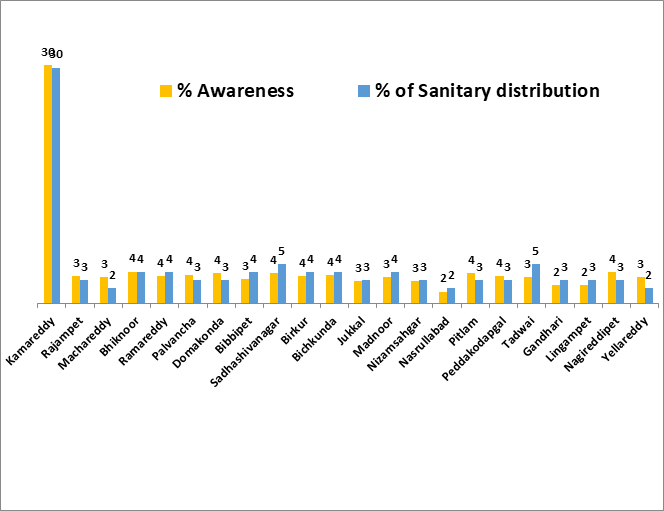
As per the analysis of the progress, awareness was covered in 22 mandals of Kamareddy District of Telangana. However, 30% of the sanitary napkins were distributed more than 30% in Kamareddy Mandal of Kamareddy District of Telangana.
Impact of the Event
Menstruation is now more openly talked about in the rural areas, compared to earlier. Women and girls are aware of the importance of menstrual hygiene and those who have access to them are using sanitary pads or clean cloth. They are questioning ancient practices of being asked to refrain from bathing until the third day, or entering a temple or kitchen or touching pickle. Incinerators are being installed in schools. This needs to be expanded to all households and schools around the country. More work needs to be done to help women and girls reach their full potential which effective MHM can ensure.
Disposal of Sanitary Waste Practices
Sanitary waste disposal is a problem as the plastic used in disposable sanitary napkins is not bio-degradable and this can lead to health and environmental hazards. As part of the solid waste management strategy, required to organize collection, disposal and transportation of such waste to protect our environment. Safe and appropriate waste management solutions are the need of the hour.
Way Forward for Sustainable Practices
Girls and women should no longer feel embarrassed to talk about periods/menstruation or clarify their doubts. If we do not encourage them, they would be missing out on various aspects of life or suffer health implications as a consequence.
Photo Gallery
Press Coverage